Potassium and sodium: what the test shows and why it matters for an athlete
Sodium and potassium are the main electrolytes on which the work of the nerves, muscles, and heart depends. In sport they are mentioned in the context of sweat, cramps, and isotonic drinks, but a blood test for these values tells more — and at the same time is easily misleading. The editorial team explains how these ions work, what exactly the test reflects, and why it matters for those who train.
The role of sodium and potassium in the body
Sodium is the main ion of the extracellular fluid: blood plasma and the intercellular space. It determines osmotic pressure and, accordingly, how much water is retained outside the cells. When we talk about blood volume, thirst, and hydration, we are actually talking about the balance of sodium and water.
Potassium, on the contrary, is concentrated mainly inside the cells. About 98% of the body's potassium is in the cells, and its largest reservoir is skeletal muscle. Only a small fraction circulates in the blood, but it is precisely the ratio of intracellular to extracellular potassium that determines the electrical potential of the membrane.
The difference in concentrations is maintained by the sodium-potassium pump (Na⁺/K⁺-ATPase), which continuously pumps sodium out of the cell and pumps potassium in. A significant part of the body's energy at rest is spent on this. Thanks to this gradient, nerve impulses travel along the fibers, and muscles — including the heart — contract and relax.
The electrolyte balance is regulated by the kidneys under the control of hormones: aldosterone, antidiuretic hormone (vasopressin), natriuretic peptides. Insulin and adrenaline help "drive" potassium into the cells. Such a complex system makes blood levels very stable, and that is why even a small deviation matters.
What the test shows
Usually sodium and potassium are measured in blood serum or plasma by the ion-selective electrode method — often as part of an "electrolyte panel" together with chlorides. Typical reference ranges for adults: sodium 135–145 mmol/L, potassium approximately 3.5–5.0 mmol/L (some laboratories give an upper limit of 5.1–5.3). The exact limits should always be checked on your own laboratory's form.
It is important to understand that the sodium level in the blood reflects primarily water balance, not the amount of salt in the body. Low sodium most often means a relative excess of water, and high sodium a lack of it. A person may have an excess of total sodium (edema) and at the same time a low concentration of it in the blood.
The potassium level in the blood, on the contrary, reflects not only the balance of intake and excretion but also the distribution between the cells and the plasma. Acid-base status, insulin, catecholamines, and cell destruction can change the concentration in the blood without changing the total potassium stores.
Doctors often assess electrolytes together with creatinine, urea, glucose, and osmolality. Such a set helps to understand the cause of a deviation — whether it involves the kidneys, hormones, fluid losses, or excessive drinking.
| Indicator | Typical range | What it primarily reflects |
|---|---|---|
| Sodium | 135–145 mmol/L | Water balance and osmolality |
| Potassium | ≈3.5–5.0 mmol/L | Distribution between cells and blood, kidney function |
| Chlorides | ≈98–107 mmol/L | Acid-base and water balance |

Electrolytes and training
During physical exertion, working muscles lose potassium into the intercellular space: with each action potential part of the ions leaves the cell. During intense work the plasma potassium concentration temporarily rises, and after stopping it falls quickly — sometimes even below the baseline level. For a healthy person these are physiological fluctuations.
With sweat the body loses mainly sodium and chlorine, and much less potassium. The concentration of sodium in sweat differs greatly between people: a review by Baker (2017) showed manifold individual differences both in the rate of sweating and in sodium content. That is precisely why there can be no universal recommendations on salt and fluid.
The most important clinical risk in endurance sport is exercise-associated hyponatremia. The 2015 consensus (Hew-Butler et al.) emphasizes: its main cause is excessive fluid intake beyond losses, not a "lack of salt." Sodium testing here is a key diagnostic tool in the medical tent.
For strength sports other scenarios are important: rapid "cutting" of weight using diuretics, high-protein diets with fluid restriction, use of agents that affect potassium. Such practices can shift electrolytes into a dangerous range.
- Nerves and muscles:generation and transmission of impulses.
- Heart:rhythm and conduction are especially sensitive to potassium.
- Blood volume:sodium retains water in the vascular bed.
- Thermoregulation:sweating depends on hydration.
How to avoid false results
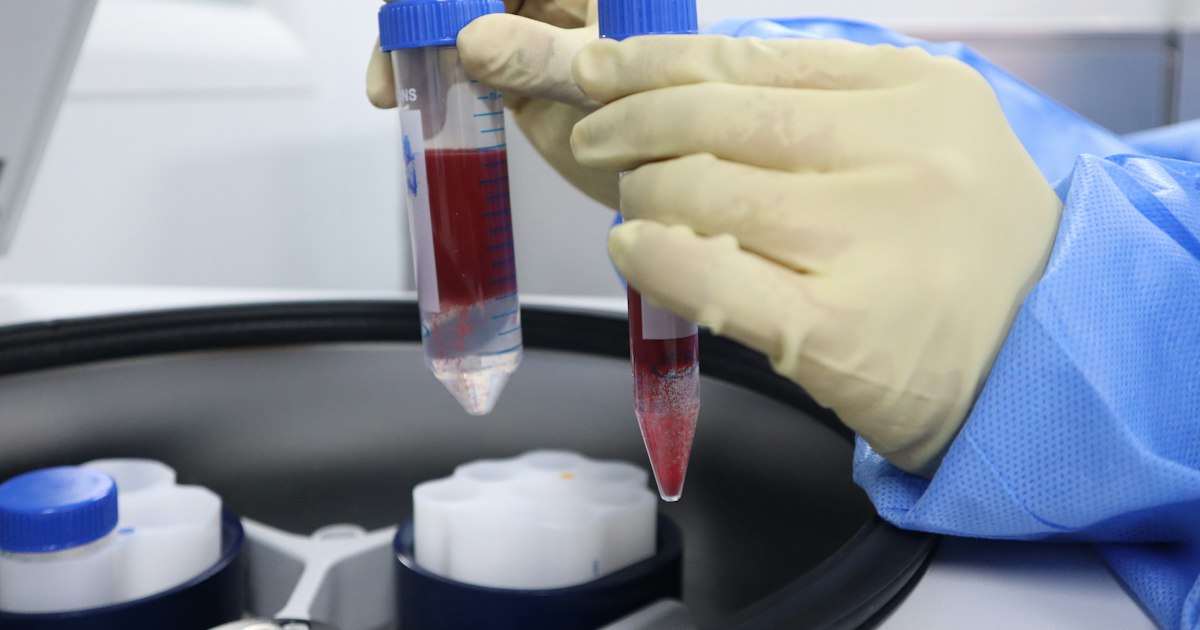
Potassium is one of the most "capricious" indicators. A false elevation (pseudohyperkalemia) occurs with hemolysis of the sample, an overly long tourniquet application, active fist-clenching during the draw, delayed centrifugation, or cooling of the sample. Since red blood cells contain tens of times more potassium than plasma, even slight hemolysis noticeably distorts the result.
For an athlete it is important not to donate blood immediately after training: the release of potassium from the muscles and changes in plasma volume affect the figures. Optimally — in the morning, at rest, after ordinary fluid intake, without intense exertion the day before.
Sodium can be falsely low with very high levels of lipids or proteins in the blood if the laboratory uses an indirect measurement method (so-called pseudohyponatremia). A high glucose level, which pulls water out of the cells and dilutes sodium, also affects the result.
If the result is unexpected and does not match how you feel, it is logical first to retake the test with correct sampling technique rather than draw conclusions from a single figure.
Who needs the test and when
A routine electrolyte test is advisable as part of an athlete's annual medical examination, especially in endurance sports and for athletes who train in the heat. It is also mandatory if a person takes medicines that affect electrolytes: diuretics, some blood-pressure drugs, laxatives.
Sodium needs to be measured urgently if, after prolonged exertion, headache, nausea, vomiting, confusion, or swelling of the hands appears. These symptoms may indicate hyponatremia, which threatens cerebral edema.
Potassium should be checked in case of heart-rhythm disturbances, marked muscle weakness, frequent cramps, and also in rhabdomyolysis — the destruction of muscles after extreme exertion, when potassium is massively released into the blood.
In planned situations it is useful to have your "own norm": several results obtained under standard conditions allow a doctor to better assess subsequent changes.
Editorial conclusions
Sodium and potassium are the basis of the electrical activity of the nerves, muscles, and heart. Sodium in the blood primarily reflects water balance, potassium — the distribution between cells and plasma and kidney function.
For an athlete the test is important both in routine monitoring and in emergencies: hyponatremia during a marathon or a potassium disturbance in rhabdomyolysis require rapid diagnosis.
Correct blood sampling is the key to a reliable result, especially for potassium, which is sensitive to hemolysis and sampling technique.
We also recommend reading our materials on the causes of elevated and reduced sodium and potassium, on creatinine and kidney function in athletes, and on isotonic drinks and hydration.
References
- Hew-Butler T, Rosner MH, Fowkes-Godek S, et al. Statement of the Third International Exercise-Associated Hyponatremia Consensus Development Conference, Carlsbad, California, 2015. Clin J Sport Med. 2015;25(4):303–320.
- Baker LB. Sweating rate and sweat sodium concentration in athletes: a review of methodology and intra/interindividual variability. Sports Med. 2017;47(Suppl 1):111–128.
- Sawka MN, Burke LM, Eichner ER, et al. American College of Sports Medicine position stand. Exercise and fluid replacement. Med Sci Sports Exerc. 2007;39(2):377–390.
- Palmer BF, Clegg DJ. Physiology and pathophysiology of potassium homeostasis. Adv Physiol Educ. 2016;40(4):480–490.
- Asirvatham JR, Moses V, Bjornson L. Errors in potassium measurement: a laboratory perspective for the clinician. N Am J Med Sci. 2013;5(4):255–259.
- Adrogué HJ, Madias NE. Hyponatremia. N Engl J Med. 2000;342(21):1581–1589.
Andriy Melnyk
A strength-sports coach and author of programs for beginner and intermediate levels. Writes about training planning.